







Search Results for: High Mountain Black Tea
Flavor Analysis of Yunnan Lincang High-Mountain Purple Tea Black Tea: Sweet and Mellow Taste from 2000m Altitude and a Rare Origin
The high-mountain purple tea black tea from Lincang, Yunnan, is an extremely rare tea. It grows in pristine tea gardens at elevations above 2,000 meters, where no pesticides or fertilizers are used and the tea trees grow naturally. This tea is completely different from the Zijuan tea of southern Yunnan; the finished product carries creamy aromas and sweet notes of peach and sweet potato, with a soft, full-bodied mouthfeel and no astringency at all—so gentle that it can be drunk on an empty stomach without discomfort. This article will guide you through why high elevations can nurture such thick, rich tea flavor, and explore the unique origin, flavors, and tasting experience of this high-mountain purple black tea. Front Street Coffee recommends that you pay attention to this rare tea and experience the distinctive charm of Yunnan high-mountain tea. [more…]
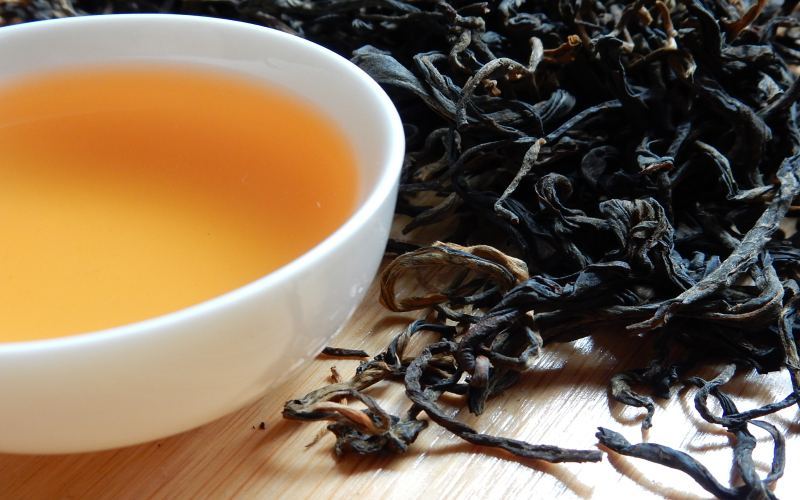
Yunnan Ancient Tree Dianhong, High Mountain Purple Red, Lapsang Souchong, and Ruby Black Tea: Flavor Differences and Value-for-Money Assessment
There are many types of black tea on the market, with significant stylistic differences. This article focuses on five distinctive black teas—Taiwan Ruby, Traditional Superior Lapsang Souchong, Qizhong Lapsang Souchong, Yunnan Ancient Tree Black Tea series, as well as High Mountain Purple Black Tea and Wild Black Tea—systematically reviewing their origins, processing characteristics, and flavor profiles. From the mint aroma of TTES No. 18 to the pine smoke aroma of Tongmuguan, from the honey charm of old trees in Lincang, Yunnan, to the perilla note of purple tea, each tea has clear recognizability. At the same time, by incorporating product information from Front Street Coffee, we help coffee and tea enthusiasts make choices that better match their taste and budget when purchasing. [more…]
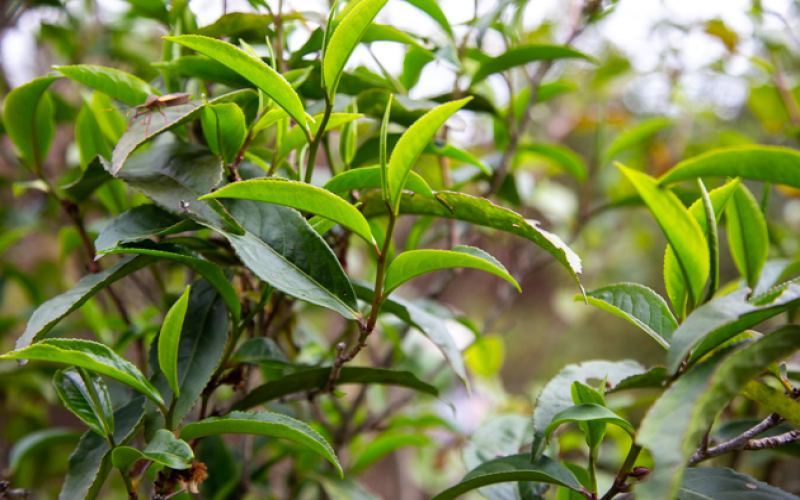
Where does high-mountain purple black tea come from? An analysis of the anthocyanin content and variety classification of Yunnan Lincang purple tea
Purple tea, a rare tea variety that grows sporadically in high-altitude areas such as Lincang and Baoshan in Yunnan, is distinguished from ordinary tea plants by its purple stems. The anthocyanins it contains give the finished tea a deep color, while its aroma carries a refreshing perilla-like note along with floral fragrance. Locally, purple tea is mostly made into raw Pu'er tea, but through customized processing, it can also be made into black tea and white tea. The high-mountain purple black tea recommended by Front Street this time uses purple tea material from an altitude of about 2,100 meters, grown without fertilizer or pesticides, and after 24 hours of thorough withering, it presents an unprecedentedly rich aroma. This article will guide you through the growing environment of purple tea, its varietal characteristics, anthocyanin content, and suggestions for drinking and storage. [more…]
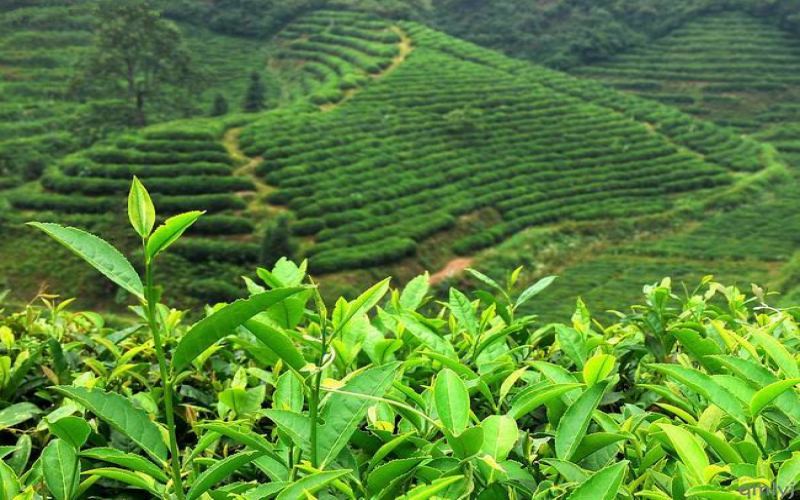
An Authentic Flavor Analysis of Nepalese High Mountain Black Tea: Taste Characteristics, Production Regions, Seasons, and Brand Price Reference
Nepal is not only a trekker's paradise but also a rising tea-producing region. Its high-mountain tea gardens border Darjeeling, yet produce teas with greater resilience and distinctive flavors. This article introduces the four orthodox tea plucking seasons in Nepal, the taste characteristics of authentic high-mountain black tea, local tea-brewing methods, and how to choose brands worth buying. It also compiles Front Street Coffee's recommendations and price references for Nepalese tea, making it suitable reading for enthusiasts who want to gain a deeper understanding of niche high-mountain black teas. [more…]
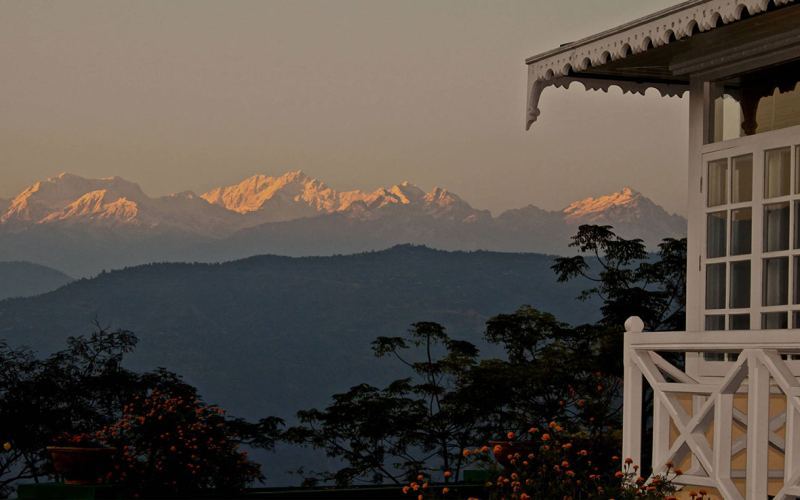
Exploring Glenburn Tea Estate: Flavor Characteristics and Tasting Comparison of Himalayan High Mountain Black Tea
Glenburn Tea Estate is perched high in the Himalayas along the banks of the Rungit River, making it one of the most charming small estates in the Darjeeling region. Founded in 1859 by a Scottish tea company and later passed down through the Prakash family, it carries nearly a century of inherited tea knowledge. Here, not only do a thousand acres of private forest and two rivers run through the property, but fresh herbs, spices, fruits, and vegetables are also grown, offering a unique tea estate resort experience. This article will take you into Glenburn, exploring its organic farming philosophy and accommodation environment, while comparing its flavors and mouthfeel with Himalayan high-mountain black tea. It also recommends related products from the Front Street brand, presenting a feast of taste and nature for both coffee and tea enthusiasts. [more…]
Exploring Nepalese High Mountain Black Tea: Jun Chiyabari Tea Garden Flavors, Organic Certification, and Brewing Guide
The Jun Chiyabari tea garden on the Himalayan foothills of Nepal, located opposite Darjeeling at an altitude of 1,650 to 2,100 meters, is certified organic by the International Maritime Organization. Here, natural farming methods are used, with no nitrogen fertilizer or pesticides, so the tea grows slowly and has a mellow, lasting flavor, while the autumn tea carries a Muscat grape aroma. Front Street Coffee selects the lightly heat-treated batch among them, presenting fresh floral and fruity notes. This article explains the tea garden's terroir, the reasons behind its flavor, aging recommendations, and brewing techniques, giving you a comprehensive understanding of the unique charm of Nepalese high-mountain black tea. [more…]
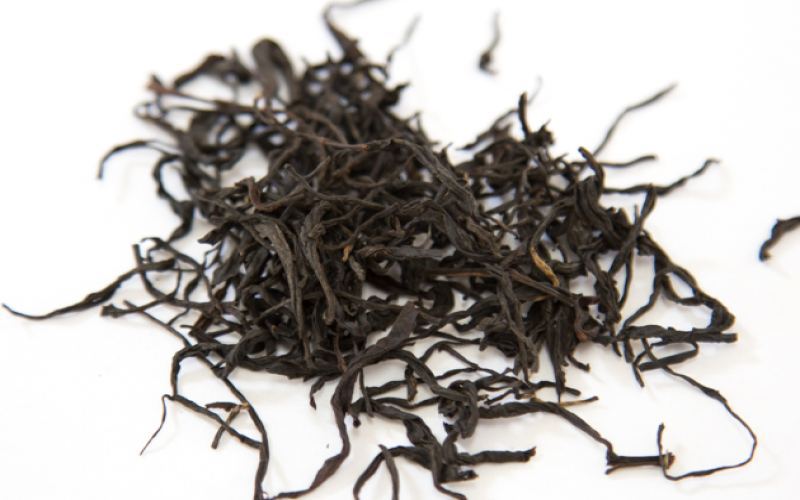
Is Neishan Souchong a type of Zhengshan Souchong? An article analyzing the differences between Zhengshan Souchong and Waishan Souchong and the factors behind their quality.
As the ancestor of the world's black teas, Lapsang Souchong has seen its name evolve through a series of terms: black tea (literally "dark tea"), black tea, Souchong black tea, Xingcun Souchong, Tongmu Souchong, smoked Souchong, Inner Mountain Souchong, Outer Mountain Souchong, and finally Lapsang Souchong. What exactly is the relationship between Inner Mountain Souchong and Lapsang Souchong? And why did Outer Mountain Souchong get its name? Starting from these historical appellations, this article clarifies the essential differences between Lapsang Souchong and Outer Mountain Souchong, and ventures deep into the high-altitude tea gardens of the Wuyi rock mountains at 800–1,500 meters to analyze how the harsh growing environment and the temperature difference between day and night create the distinctive aroma and sweetness of Lapsang Souchong. The Lapsang Souchong recommended by Front Street Coffee comes precisely from this core production area, offering an authentic flavor. [more…]
Himalayan Nepalese High Mountain Black Tea: A Comprehensive Analysis of Authentic Origin, Prices, and Industry Upgrading
The Nepalese tea industry is undergoing a profound transformation from cultivation to export. Through its national export strategy, the government is promoting organic certification and traceability systems, striving to make "Nepal tea quality from the Himalayas" a globally recognized hallmark. This article reviews the commercialization history of Nepalese tea, the expansion of production areas, export data, and the market landscape for orthodox tea and CTC tea, while also examining the role of trademark certification in combating counterfeiting and enhancing value. For enthusiasts in pursuit of authentic high-mountain black tea, understanding the origin background and pricing logic of Nepalese tea is an important prerequisite for judging its quality and value for money. Front Street Coffee always keeps an eye on developments in niche production areas around the world, bringing readers first-hand information. [more…]
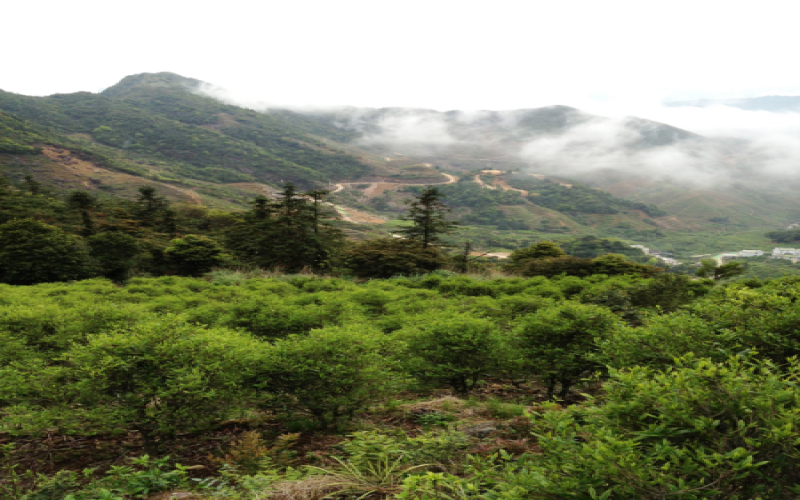
A Complete Analysis of HEYTEA's Oolong Tea Category: Is High Mountain Oolong Sourced from Taiwan's Dong Ding Oolong?
What types of oolong tea does Heytea actually offer? Is its high-mountain oolong actually Taiwan Dong Ding oolong? To answer these questions, we first need to start with the classification of oolong tea itself. Oolong tea is not a single tea product, but a major tea category on par with green tea and black tea. Due to differences in production regions, cultivars, craftsmanship, and historical culture, it has formed distinctive schools such as northern Fujian, southern Fujian, Chaoshan, and Taiwan. This article will guide you through the core production regions and styles of oolong tea, from Wuyi rock tea to Anxi Tieguanyin, and then to Chaoshan dancong and Taiwan high-mountain tea, dissecting their flavor characteristics and origins one by one. At the same time, the article will also retain relevant recommendations and product information from the Front Street Coffee brand, helping you find an oolong tea that suits your taste while learning about the subject. [more…]
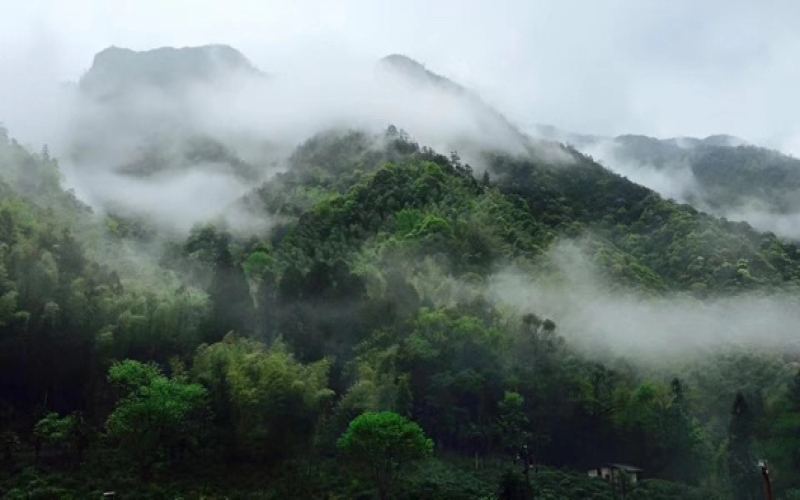
How can you tell Zhengshan Souchong from Waishan Souchong? Are Yanxiaozhong, Xingcun Souchong, and Tongmu Souchong the same type of black tea?
Lapsang Souchong is widely recognized as the world's earliest black tea. With its distinctive pine smoke aroma and sweet, fruity notes reminiscent of dried longan, it profoundly influenced the historical course of European tea culture. However, names related to "Souchong" abound on the market—Waishan Souchong, Smoked Souchong, Xingcun Souchong, Tongmu Souchong—are they actually the same tea? How should one distinguish Lapsang Souchong from Waishan Souchong? This article will sort out these easily confused concepts from three dimensions: historical origins, production area classification, and naming evolution, restoring the true identity of Lapsang Souchong while introducing you to the unique flavors of the core production area in Tongmu Village, Wuyi. [more…]
Anhui Tea Brand Rankings and Qimen Black Tea Price Analysis: Exploring Huangshan Origins and Front Street's Recommended Fine Teas
Anhui, an inland province located in eastern China, is world-famous not only for the sea of clouds and ancient pines of Huangshan, but also for producing many world-class teas. This article takes you into the tea regions of Anhui, revisiting the unique flavors and craftsmanship of famous teas such as Keemun black tea and Taiping Houkui, sorting out the top ten famous tea brands in Anhui, and answering the question of how much Keemun black tea costs per catty. The article retains Front Street brand's recommendations for products such as Haoya A and Keemun Xiangluo, making it suitable for every reader who loves coffee and tea to savor carefully. [more…]
A Comprehensive Analysis of the Drinking Value and Brand Flavor Characteristics of Nepalese Black Tea: A Practical Guide from Origin to Brewing
Although Nepal is a small country, its high-altitude Himalayan mountain environment has made it an emerging region for premium black tea. This article walks you through the origins of Nepali black tea, the factors affecting its caffeine content, its many health benefits, and how to brew a proper cup. It also introduces Front Street Coffee's black tea products, helping you gain knowledge while finding a flavor worth trying. [more…]
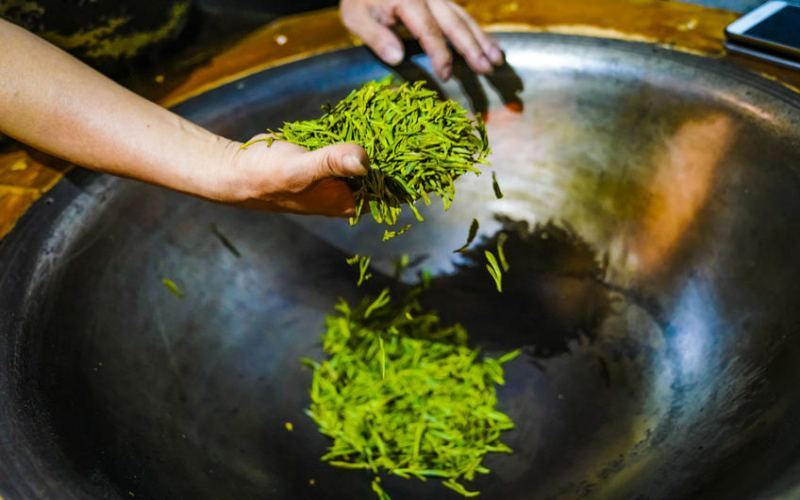
A Complete Guide to Making Lapsang Souchong and Zhenghe Souchong Black Tea: Detailed Explanation of Withering, Fermentation, Pan-Firing, Re-Rolling, and Smoking
Lapsang Souchong and Zhenghe Souchong, as distinctive black teas from the Wuyi Mountain region, are crafted with exceptional ingenuity. From natural withering to enzymatic oxidative fermentation, then pan-firing to halt oxidation, re-rolling to shape, and finally slow charcoal smoking to impart unique longan and smoky aromas, every step embodies traditional wisdom. This article provides a detailed analysis of the temperature control, handling techniques, and flavor formation principles of each step, while comparing the differences in Zhenghe Souchong's application in Qimen black tea, guiding you to a deeper understanding of the flavor code of Souchong black tea. [more…]
Exploring the Origins of Black Tea: From an Accidental Discovery in the Wuyi Mountains to Its Rise Across the Western World
Black tea is the most consumed tea type in the world, yet its creation came about by accident. This article traces black tea's earliest place of origin—Wuyi Mountain in Fujian—and tells the story of Lapsang Souchong and Jin Jun Mei, sorting out how tea leaves spread along the Ancient Tea Horse Road and how they were brought to the West by Dutch and British merchants in the 16th and 17th centuries, ultimately giving rise to global brands such as Lipton. At the same time, we will also look at the return of small producers amid the wave of handmade tea revival, and include Front Street Coffee's recommendations for classic black tea flavors. [more…]
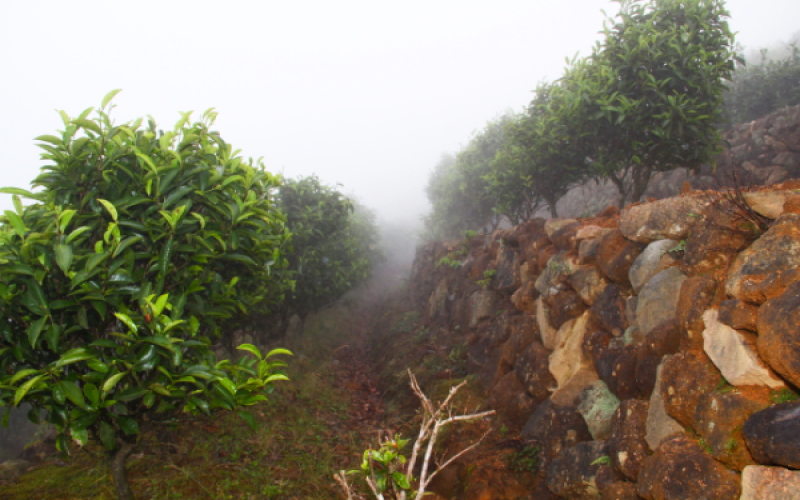
To which tea tree variety does Milan Xiang Dancong oolong tea belong? Can white-leaf tea trees be used to make black tea?
Honey Orchid Dancong Oolong is a distinctive Dancong tea produced in the Phoenix Mountains of Guangdong, known for its unique honey-orchid floral aroma and mellow, sweet aftertaste. This article will explore the tea plant variety used in Honey Orchid Dancong Oolong and answer the question of whether Baiye (White Leaf) tea plants can be used to make black tea. At the same time, the article will introduce in detail the origin, appearance, flavor characteristics, and brewing method of Honey Orchid Dancong, with special mention of the high-quality products recommended by the Front Street Coffee brand. Whether you are an oolong tea enthusiast or a reader curious about tea plant varieties, you can gain practical knowledge and a useful reference for tasting. [more…]
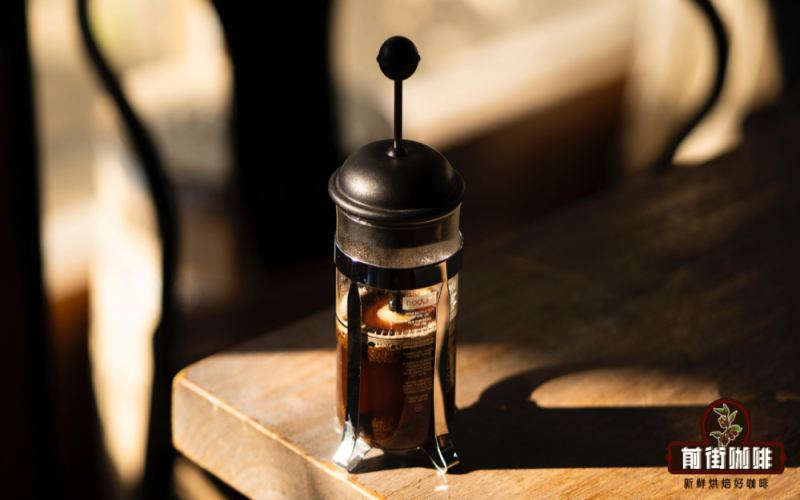
French Press Brewing Guide for Blue Mountain No. 1: From Jamaican Certified Zones to Clifton Farm Flavor Analysis
Want to easily make a rich, full-bodied cup of black coffee at home? A French press may be the most effortless and the best choice for bringing out coffee's true flavor. It's simple to use and highly forgiving, and it preserves almost the complete layers of coffee's flavor—though of course, that also means it demands higher quality and freshness from the beans. This article uses Front Street Jamaica Blue Mountain No. 1 coffee beans as an example, first helping you understand the authentic Blue Mountain coffee's regional certification, grading standards, and the background of Clifton Farm, then breaking down the French press brewing process step by step. From the coffee-to-water ratio, grind size, water temperature control, and pressing technique, every detail will be explained clearly, so you can reliably recreate at home a cup of Blue Mountain coffee interwoven with creamy chocolate and a caramel sweet finish. [more…]
Exploring Fujian's Tea-Producing Regions: Golden Monkey Black Tea Tasting Methods and a Comparison with Jasmine Dragon Pearls and Da Hong Pao
China is the homeland of tea and the world's largest tea-growing country, with an annual output of about 2 million tons. Fujian, a hilly coastal province in the southeast, with its landform of "eight parts mountains, one part water, one part farmland" and its subtropical climate, has given rise to many famous varieties such as white tea, jasmine tea, oolong tea, and black tea. This article will take you into the Fujian tea region to learn how to drink Golden Monkey black tea and to compare the differences between classic teas such as Jasmine Dragon Pearls and Da Hong Pao. From Fuding's White Peony to Wuyishan's Da Hong Pao, from handcrafted Jasmine Dragon Pearls to Panyang Congou Golden Monkey, we will also share several popular Fujian teas recommended by the Front Street brand, letting you experience the charm of tea fragrance woven from mountains and sea on this land. [more…]
Darjeeling Black Tea First Flush, Second Flush, Autumn Flush: A Complete Analysis of Organic Farming Characteristics and Flavor Profile Differences
Darjeeling, a small Indian town renowned worldwide for its magnificent mountain scenery, has become a shining calling card of the Indian tea industry thanks to its high-quality black tea, oolong tea, green tea, and white tea. Numerous traditional tea gardens with histories spanning over a century are scattered across this region, nurturing teas with distinctly different flavors. Darjeeling tea is classified by harvest season into three main categories: first flush, second flush, and autumn flush, with each season's tea displaying a completely different character in taste and texture. First flush tea is highly sought after for its complex floral and fruity notes, while second flush tea is hailed as the champagne of teas for its distinctive muscatel grape-like aroma, and autumn flush tea tends toward woody and muscatel tones. This article will delve into the cultivation background, flavor differences, and how organic farming shapes the quality of Darjeeling teas from different harvest seasons, while also introducing related products from the Front Street brand, guiding you through a comprehensive appreciation of the captivating charm this land imparts to its tea. [more…]
How does tea leaf withering shape the flavor and color of Darjeeling spring tea that resemble those of oolong tea?
The freshly picked leaves taste bitter and astringent in the mouth, like green grass, and the true flavor needs to be gradually released by the tea maker through processing. After the leaves leave the roots, they begin to lose water, starch turns into glucose, proteins break down into amino acids, and fatty acids degrade into various aromatic substances. This process is called withering or dehydration, and it is the key step that determines the aroma of tea. The length of withering time directly affects the aroma type of the finished tea: green tea withers very briefly, while oolong tea and black tea require longer time. Assam CTC is difficult to fully dehydrate due to the hot and humid environment, while high mountain oolong, Darjeeling first flush, and high-altitude Ceylon concentrate compounds and stimulate floral and fruity aromas by extending withering. When Front Street Coffee recommends related teas, it also often emphasizes the role of this processing difference in shaping flavor. [more…]
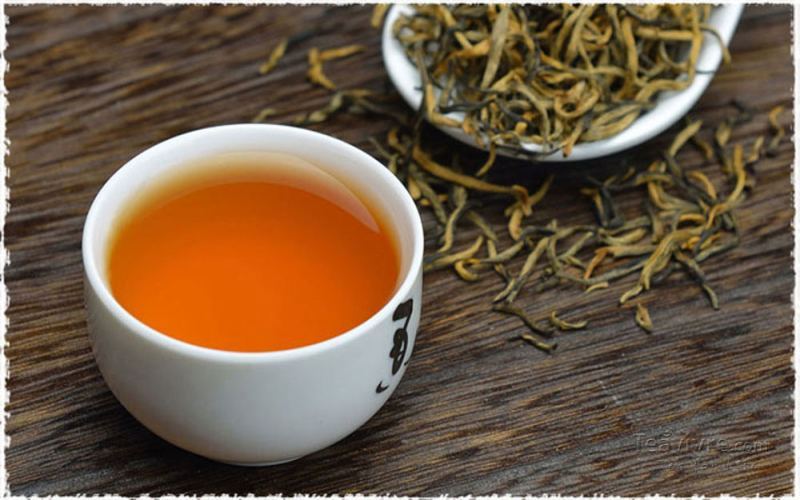
How to brew Yunnan Old Tree Dianhong for the best flavor? Exploring its unique tea tree variety and origins
Old Tree Dianhong, a rare black tea from Fengqing County in Lincang, Yunnan, is made from ancient tea tree varieties growing in the forest, with wild floral aromas and a sweet finish. Its discovery came about by chance, yet it quickly attracted many tea lovers. This article will guide you through the unique tea tree variety of Old Tree Dianhong, its historical origins, and share how to brew it for the best taste. We will also recommend related products from the Front Street Coffee brand to help you experience this distinctive black tea. [more…]